Friday, December 12, 2025
Kukur Tihar: Nepal’s Heartwarming Festival of Dogs
Friday, December 12, 2025
Kukur Tihar: Nepal’s Heartwarming Festival of Dogs
Friday, December 12, 2025
Kukur Tihar: Nepal’s Heartwarming Festival of Dogs
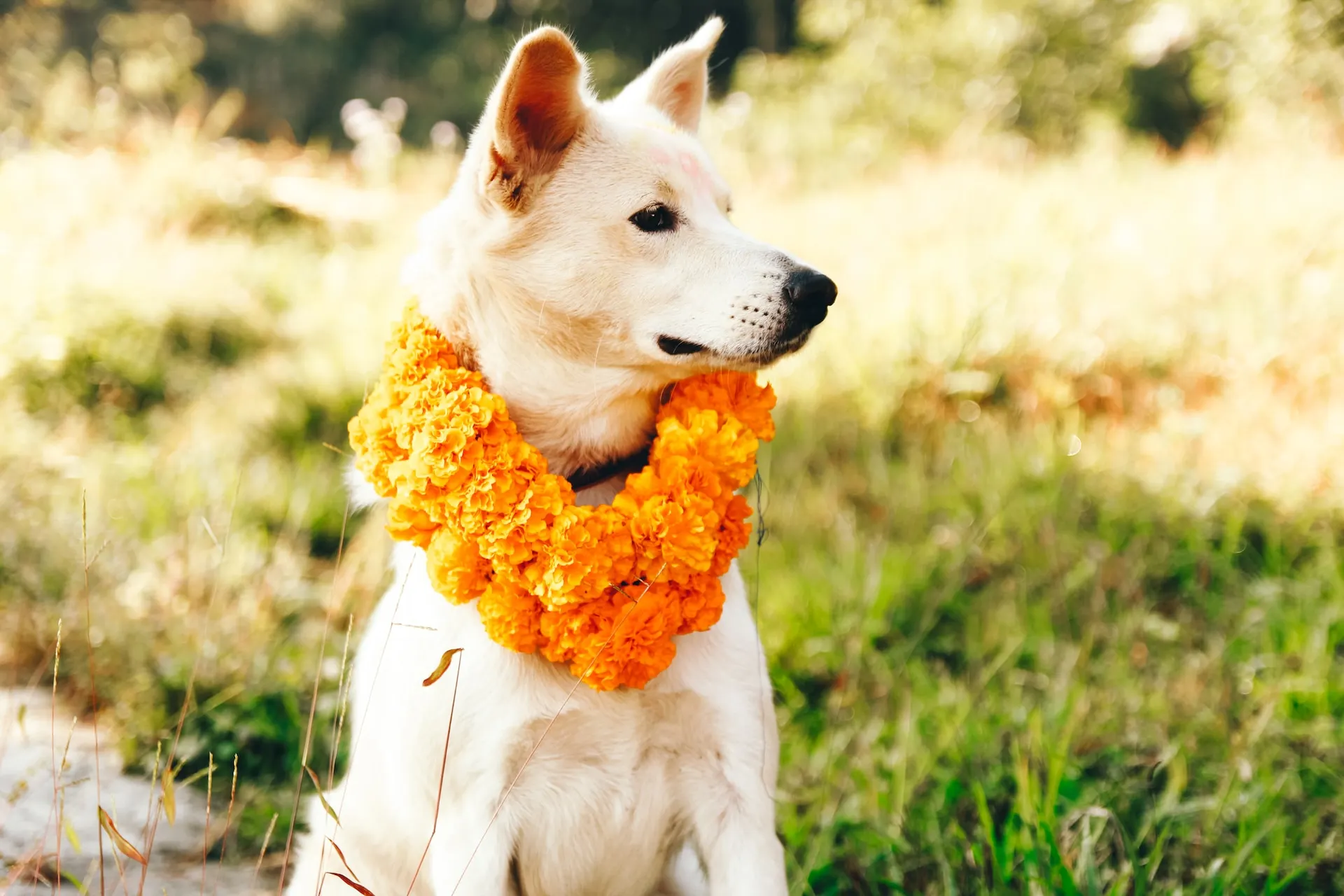
Nepal is a land of diversity, where traditions and cultures intertwine harmoniously. One such unique tradition celebrated in this beautiful Himalayan nation is the Kukur Tihar, also known as the “Festival of Dogs.” This extraordinary festival, which occurs during the Tihar festival, is a testament to Nepal’s deep-rooted connection with nature and its reverence for animals, particularly the loyal and beloved dog. In this blog, we will explore the significance, customs, and heartwarming rituals associated with Kukur Tihar.
The Tihar Festival
Before delving into Kukur Tihar, it’s essential to understand its context within the larger Tihar festival. Tihar, often referred to as Deepawali or Yamapanchak, is a five-day Hindu festival celebrated with immense fervor in Nepal. It typically falls in October or November, depending on the lunar calendar, and is regarded as one of the most significant festivals in the country.
Each day of Tihar is dedicated to the worship of different animals, including crows, cows, oxen, and dogs. Kukur Tihar, which takes place on the second day of Tihar, is dedicated entirely to our four-legged, furry friends.
Significance of Kukur Tihar
Dogs hold a special place in the hearts of Nepalese people. Known for their loyalty, guardianship, and unconditional love, dogs are considered not just as pets but as symbols of faithfulness and protection. Kukur Tihar, therefore, is a day to honor and thank these loyal companions for their unwavering devotion.
Customs and Rituals
Garlanding: On the morning of Kukur Tihar, the streets of Nepal come alive with the vibrant colors of marigold garlands. Dogs, both stray and domesticated, are adorned with these garlands, which are believed to bring good luck and happiness.
Tilak and Tika: Dogs are also marked with a vermilion (red) tika on their foreheads. This ritual symbolizes the blessings of the gods and is a way of showing gratitude for their loyalty. A mixture of yogurt and rice is also offered to them.
Feasting: Dogs are treated to a special feast on Kukur Tihar. They are served a delicious meal that includes a mixture of rice, meat, and dog-friendly treats. This feast is a way to pamper and nourish these faithful companions.
Lighting Oil Lamps: Oil lamps, or diyas, are lit around homes and in public places during Tihar. These lamps are believed to ward off evil spirits and signify the triumph of light over darkness. Dogs, being an integral part of the household, also share in this protective gesture.
Recognition of Street Dogs: Kukur Tihar extends its warmth to stray dogs as well. Many communities set up feeding stations for street dogs, ensuring that they, too, can partake in the festivities.
Cultural Significance
Kukur Tihar is not just a festival; it is a manifestation of Nepal’s deep-rooted connection with nature and its animals. The bond between humans and dogs goes back centuries, and this festival beautifully encapsulates the essence of this relationship.
Symbol of Loyalty: Dogs are celebrated for their unwavering loyalty. They are often depicted in Nepalese folklore and mythology as protectors and companions, reflecting their revered status in the culture.
Environmental Conservation: Kukur Tihar also has a message of environmental conservation. By caring for and protecting stray dogs, Nepalese communities demonstrate their commitment to maintaining the balance of their ecosystem.
Unity and Harmony: The Tihar festival, with Kukur Tihar at its core, promotes unity and harmony. It transcends religious boundaries and brings people from all walks of life together to celebrate their shared love for dogs.
Kukur Tihar is a festival that warms the hearts of those who witness it. It showcases the profound connection between humans and dogs, reminding us of the invaluable bond of trust and loyalty that exists between our species. Beyond the rituals and customs, Kukur Tihar is a celebration of love, gratitude, and the beauty of the human-animal relationship.
As we celebrate this extraordinary festival, let it serve as a poignant reminder of our responsibility to care for and protect our faithful companions, whether they have a home or roam the streets. Kukur Tihar is a testament to the fact that our relationship with animals can be a source of joy, inspiration, and unity in a world that often needs more of these precious qualities.
Nepal is a land of diversity, where traditions and cultures intertwine harmoniously. One such unique tradition celebrated in this beautiful Himalayan nation is the Kukur Tihar, also known as the “Festival of Dogs.” This extraordinary festival, which occurs during the Tihar festival, is a testament to Nepal’s deep-rooted connection with nature and its reverence for animals, particularly the loyal and beloved dog. In this blog, we will explore the significance, customs, and heartwarming rituals associated with Kukur Tihar.
The Tihar Festival
Before delving into Kukur Tihar, it’s essential to understand its context within the larger Tihar festival. Tihar, often referred to as Deepawali or Yamapanchak, is a five-day Hindu festival celebrated with immense fervor in Nepal. It typically falls in October or November, depending on the lunar calendar, and is regarded as one of the most significant festivals in the country.
Each day of Tihar is dedicated to the worship of different animals, including crows, cows, oxen, and dogs. Kukur Tihar, which takes place on the second day of Tihar, is dedicated entirely to our four-legged, furry friends.
Significance of Kukur Tihar
Dogs hold a special place in the hearts of Nepalese people. Known for their loyalty, guardianship, and unconditional love, dogs are considered not just as pets but as symbols of faithfulness and protection. Kukur Tihar, therefore, is a day to honor and thank these loyal companions for their unwavering devotion.
Customs and Rituals
Garlanding: On the morning of Kukur Tihar, the streets of Nepal come alive with the vibrant colors of marigold garlands. Dogs, both stray and domesticated, are adorned with these garlands, which are believed to bring good luck and happiness.
Tilak and Tika: Dogs are also marked with a vermilion (red) tika on their foreheads. This ritual symbolizes the blessings of the gods and is a way of showing gratitude for their loyalty. A mixture of yogurt and rice is also offered to them.
Feasting: Dogs are treated to a special feast on Kukur Tihar. They are served a delicious meal that includes a mixture of rice, meat, and dog-friendly treats. This feast is a way to pamper and nourish these faithful companions.
Lighting Oil Lamps: Oil lamps, or diyas, are lit around homes and in public places during Tihar. These lamps are believed to ward off evil spirits and signify the triumph of light over darkness. Dogs, being an integral part of the household, also share in this protective gesture.
Recognition of Street Dogs: Kukur Tihar extends its warmth to stray dogs as well. Many communities set up feeding stations for street dogs, ensuring that they, too, can partake in the festivities.
Cultural Significance
Kukur Tihar is not just a festival; it is a manifestation of Nepal’s deep-rooted connection with nature and its animals. The bond between humans and dogs goes back centuries, and this festival beautifully encapsulates the essence of this relationship.
Symbol of Loyalty: Dogs are celebrated for their unwavering loyalty. They are often depicted in Nepalese folklore and mythology as protectors and companions, reflecting their revered status in the culture.
Environmental Conservation: Kukur Tihar also has a message of environmental conservation. By caring for and protecting stray dogs, Nepalese communities demonstrate their commitment to maintaining the balance of their ecosystem.
Unity and Harmony: The Tihar festival, with Kukur Tihar at its core, promotes unity and harmony. It transcends religious boundaries and brings people from all walks of life together to celebrate their shared love for dogs.
Kukur Tihar is a festival that warms the hearts of those who witness it. It showcases the profound connection between humans and dogs, reminding us of the invaluable bond of trust and loyalty that exists between our species. Beyond the rituals and customs, Kukur Tihar is a celebration of love, gratitude, and the beauty of the human-animal relationship.
As we celebrate this extraordinary festival, let it serve as a poignant reminder of our responsibility to care for and protect our faithful companions, whether they have a home or roam the streets. Kukur Tihar is a testament to the fact that our relationship with animals can be a source of joy, inspiration, and unity in a world that often needs more of these precious qualities.
Nepal is a land of diversity, where traditions and cultures intertwine harmoniously. One such unique tradition celebrated in this beautiful Himalayan nation is the Kukur Tihar, also known as the “Festival of Dogs.” This extraordinary festival, which occurs during the Tihar festival, is a testament to Nepal’s deep-rooted connection with nature and its reverence for animals, particularly the loyal and beloved dog. In this blog, we will explore the significance, customs, and heartwarming rituals associated with Kukur Tihar.
The Tihar Festival
Before delving into Kukur Tihar, it’s essential to understand its context within the larger Tihar festival. Tihar, often referred to as Deepawali or Yamapanchak, is a five-day Hindu festival celebrated with immense fervor in Nepal. It typically falls in October or November, depending on the lunar calendar, and is regarded as one of the most significant festivals in the country.
Each day of Tihar is dedicated to the worship of different animals, including crows, cows, oxen, and dogs. Kukur Tihar, which takes place on the second day of Tihar, is dedicated entirely to our four-legged, furry friends.
Significance of Kukur Tihar
Dogs hold a special place in the hearts of Nepalese people. Known for their loyalty, guardianship, and unconditional love, dogs are considered not just as pets but as symbols of faithfulness and protection. Kukur Tihar, therefore, is a day to honor and thank these loyal companions for their unwavering devotion.
Customs and Rituals
Garlanding: On the morning of Kukur Tihar, the streets of Nepal come alive with the vibrant colors of marigold garlands. Dogs, both stray and domesticated, are adorned with these garlands, which are believed to bring good luck and happiness.
Tilak and Tika: Dogs are also marked with a vermilion (red) tika on their foreheads. This ritual symbolizes the blessings of the gods and is a way of showing gratitude for their loyalty. A mixture of yogurt and rice is also offered to them.
Feasting: Dogs are treated to a special feast on Kukur Tihar. They are served a delicious meal that includes a mixture of rice, meat, and dog-friendly treats. This feast is a way to pamper and nourish these faithful companions.
Lighting Oil Lamps: Oil lamps, or diyas, are lit around homes and in public places during Tihar. These lamps are believed to ward off evil spirits and signify the triumph of light over darkness. Dogs, being an integral part of the household, also share in this protective gesture.
Recognition of Street Dogs: Kukur Tihar extends its warmth to stray dogs as well. Many communities set up feeding stations for street dogs, ensuring that they, too, can partake in the festivities.
Cultural Significance
Kukur Tihar is not just a festival; it is a manifestation of Nepal’s deep-rooted connection with nature and its animals. The bond between humans and dogs goes back centuries, and this festival beautifully encapsulates the essence of this relationship.
Symbol of Loyalty: Dogs are celebrated for their unwavering loyalty. They are often depicted in Nepalese folklore and mythology as protectors and companions, reflecting their revered status in the culture.
Environmental Conservation: Kukur Tihar also has a message of environmental conservation. By caring for and protecting stray dogs, Nepalese communities demonstrate their commitment to maintaining the balance of their ecosystem.
Unity and Harmony: The Tihar festival, with Kukur Tihar at its core, promotes unity and harmony. It transcends religious boundaries and brings people from all walks of life together to celebrate their shared love for dogs.
Kukur Tihar is a festival that warms the hearts of those who witness it. It showcases the profound connection between humans and dogs, reminding us of the invaluable bond of trust and loyalty that exists between our species. Beyond the rituals and customs, Kukur Tihar is a celebration of love, gratitude, and the beauty of the human-animal relationship.
As we celebrate this extraordinary festival, let it serve as a poignant reminder of our responsibility to care for and protect our faithful companions, whether they have a home or roam the streets. Kukur Tihar is a testament to the fact that our relationship with animals can be a source of joy, inspiration, and unity in a world that often needs more of these precious qualities.
Kukur Tihar: Nepal’s Heartwarming Festival of Dogs
Kukur Tihar: Nepal’s Heartwarming Festival of Dogs
Kukur Tihar: Nepal’s Heartwarming Festival of Dogs
Related Blog
Related Blog
Related Blog
December 12, 2025
December 12, 2025
December 12, 2025
December 12, 2025
December 12, 2025
December 12, 2025
December 12, 2025
December 12, 2025
December 12, 2025